 By Ethan Brooks
Updated November 2026
A DIY solar pool heater roof system uses black absorber panels mounted on your roof to warm pool water as it flows through them. In this guide you will learn how to size the collector area, match the pump to the roof height, and set up plumbing that keeps water moving through the panels during the hours the sun is strongest.
Start with Sizing: Panel Area and Flow Rate
Most pool heating guidance starts with a simple ratio: roughly 50 to 100 percent of the pool surface area in collector area, depending on your climate and how warm you want the water. A 15-by-30-foot pool has about 450 square feet of surface, so you would plan for somewhere between 225 and 450 square feet of panels. Manufacturers of polymer absorber panels usually publish flow ranges per panel, and those numbers, not the panel count alone, determine how much heat you actually collect.
Shopping for one? See our guide: 3 Best DIY Solar Pool Heater Kits for Above-Ground Pools (2026).
Flow matters more than most beginners expect. Panels need enough water moving through them to carry heat away from the absorber surface, but too much flow leaves the water in the collector too briefly to warm. Check your panel specification sheet for its recommended flow per panel, then confirm that your pump can deliver that total at the head height of your roof. We also found DIY Solar Heating Swimming Pools: Build a Pool Heater in 6 Steps useful on this point.
Calculate Head Height Before You Buy a Pump
Head is the vertical distance the pump must lift water, plus the friction losses from pipe and fittings. A roof mount often adds 15 to 25 feet of head, and that changes which pump works. A pump rated for high flow at zero head may deliver a fraction of that flow at 20 feet. Read the pump’s performance curve, which shows flow at different head values, and select one that still meets your panel requirement at your actual head.
Measure from the water level in the pool to the highest point of the panel array, then add your pipe run and fittings. Keep the run as short and straight as practical to reduce friction loss.
Plumb the Roof Array for Even Flow
The standard approach runs supply and return headers across the top and bottom of the panels, with each panel connected in parallel. Parallel connection keeps pressure drop low and gives every panel similar flow. Install a check valve to stop water draining back into the pool at night, and a bypass or diverter valve so you can route water around the panels on cold days or during cleaning.
Slope the piping so air can vent at the high point of the array. Trapped air reduces flow and can make the pump lose prime. Use a vent or automatic air release at the top header.
Checklist for the Build
- Measure pool surface area and choose a collector area target.
- Check panel flow specifications and calculate total required flow.
- Measure static head and add friction loss for your pipe run.
- Select a pump whose curve meets that flow at your total head.
- Install a check valve, diverter valve and air vent.
- Pressure-test the system before filling the panels.
Compare Your Options at a Glance
| Factor | Low-Head Roof (under 12 ft) | Typical Roof (15–25 ft) |
|---|---|---|
| Pump type | Standard circulation pump | Pump rated for higher head |
| Flow concern | Usually minor | Check the performance curve closely |
| Piping friction | Lower | Higher, keep runs short |
Common Mistakes
- Choosing a pump by its maximum flow rating instead of flow at your actual head.
- Undersizing the panel area for the pool size and climate.
- Skipping the check valve, which lets water drain back and forces the pump to restart against a full column.
- Leaving air pockets at the high point of the array.
- Running the system on cloudy or freezing days without a drain-down or bypass plan.
Recommended Gear
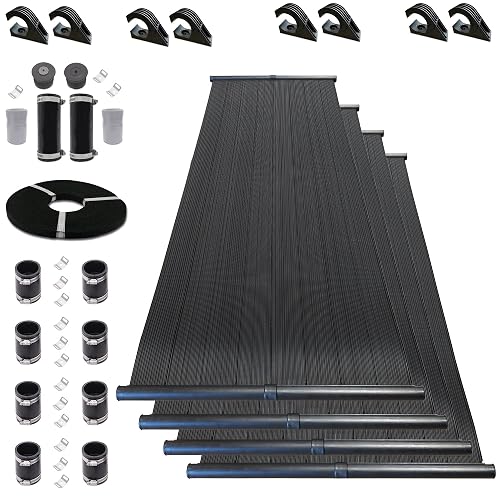
- Solar pool heater panels in a parallel-header kit, because a matched kit simplifies flow balancing. View on Amazon
- Check valve for pool pump plumbing, which prevents backflow when the pump stops. View on Amazon
- Automatic air release valve, which clears trapped air at the top of the array. View on Amazon
FAQ
How much roof area do I need for a DIY solar pool heater roof system?
A common planning range is 50 to 100 percent of pool surface area, adjusted for climate and your target temperature. Confirm the final number against the panel manufacturer’s guidance.
Can any pool pump work for a roof-mounted heater?
Not reliably. The pump must deliver the panel’s required flow at your total head, so check its performance curve before buying.
Should a professional review my design?
Yes, especially for roof loading, penetrations and electrical connections. A licensed pool or roofing professional can confirm your plan is safe for your structure.
Conclusion
A well-built DIY solar pool heater roof system depends on matching panel area, flow rate and pump head. Calculate those three values first, then choose the pump and plumbing that deliver them. Keep runs short, vent the array and add a check valve, and your pool will warm more consistently through the season.
Related reading
- What Size Pump for DIY Solar Pool Heater? Flow Rate and Head Explained
- What Pump to Use for DIY Solar Pool Heater: A Flow-First Guide
- Solar Powered Pool Heater DIY: 5 Best Kits Compared (2026)
- Solar Power Pool Heater DIY: A Step-by-Step Guide to Building One
- Solar Pool Heater Roof Installation: A Step-by-Step Guide
- Roof Mount Solar Pool Heater: Step-by-Step Sizing, Setup and Tips (2026)
Ready to choose one?
About Ethan Brooks
Ethan Brooks is part of our editorial team and reviews and edits our solar water systems guides, checking product details against manufacturer specifications and owner feedback.