By Ethan Brooks
Updated November 2026
A floating solar powered pool heater is a lightweight, panel-style unit that sits on the surface of your pool and warms the water using sunlight alone. In this guide you will learn how these floating units work, how to estimate the coverage your pool needs, how to position and anchor the heater, and which mistakes cause poor performance. By the end, you should be able to decide whether a floating solar powered pool heater fits your pool and how to get the most heat out of it.
How a Floating Solar Powered Pool Heater Works
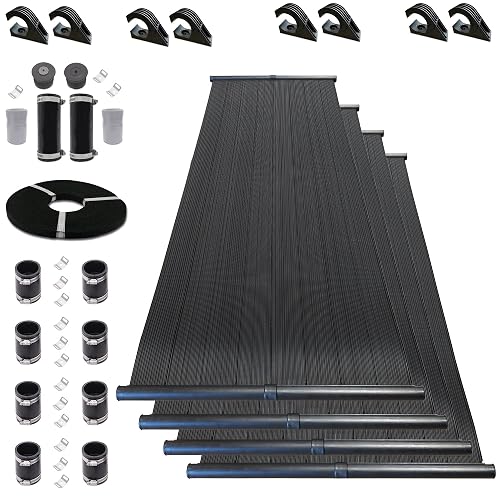
Most floating units use a set of flexible, dark-colored collector panels, usually made from polypropylene or a similar UV-stabilized plastic. Pool water is pushed through the panels by the pool’s own circulation pump or by a small water-driven flow path, and the sun heats the water as it passes through. Because the panels float, they do not need roof space, ground mounting or plumbing to the pool equipment pad in the way a conventional solar array does.
The key trade-off is that floating units rely on the pool pump to move water through them, and they only heat water that passes over the panel surface. Heat gain depends on sunlight intensity, air temperature, wind, and how much water flows through the collector per minute. Manufacturers generally specify a flow range for their units, and staying inside that range matters more than most buyers expect.
Floating vs. Fixed-Mount Solar Heaters
A fixed-mount solar heater sits on a roof or rack and is plumbed into the return line with valves and a bypass. A floating unit trades permanent plumbing for flexibility. It works well for above-ground pools, for pools where a roof is unavailable, and for owners who want a seasonal setup they can remove and store. If you are comparing the two approaches, our article Solar Pool Heater for Inground Pool Installation: A Step-by-Step Guide (2026) covers the fixed-mount side in detail.
Step 1: Measure Your Pool and Estimate Coverage
Sizing starts with your pool’s surface area and your heating goal. A rough rule for solar pool heating is that a collector area equal to roughly 50 to 100 percent of the pool’s surface area will extend your swimming season in most climates, with the higher end suited to cooler regions. Floating units are often sold by collector area, so you need to compare that number against your pool’s dimensions.
- Measure the pool length and width. For a round pool, use the diameter: area equals pi times the radius squared.
- Calculate surface area in square feet. A 16 by 32 foot rectangular pool has 512 square feet of surface.
- Decide on your target. Extending the season by a few weeks needs less collector area than heating to 84°F in spring.
- Compare the result against the collector area listed by the manufacturer.
For a deeper walkthrough of the math, see Solar Pool Heater Sizing: How Many Panels Does Your Pool Need? and Solar Pool Heater Sizing Calculator: How Many Panels Do You Need?.
Step 2: Confirm Your Pump Can Supply the Right Flow
Flow rate is where most floating heater setups succeed or fail. Water passing through the collector needs to be moving fast enough to pick up heat but not so fast that it leaves the panel barely warmed. Check the manufacturer’s recommended flow range, usually given in gallons per minute (GPM), and compare it to your pump’s actual output at the return line.
| Factor | What to Check | Why It Matters |
|---|---|---|
| Pump flow rate | Measured GPM at the return or heater inlet | Too low reduces heat pickup; too high can cause pressure problems |
| Head height | Vertical lift from pump to collector | More lift lowers flow, so the pump may need adjustment |
| Filter condition | Pressure gauge reading | A dirty filter cuts flow and starves the heater |
| Line diameter | Hose or pipe size | Undersized lines restrict flow and raise pressure |
If your pump is oversized, you may need a flow valve or a bypass to keep the collector within its rated range. Consult a pool professional if you are unsure how to balance flow without damaging equipment.
Step 3: Choose the Location and Positioning
A floating heater performs best in full, unshaded sun for most of the day. Position it on the sunniest part of the pool, away from the shadow of trees, fences and the house. Keep the panels oriented so the dark side faces the sun, and leave a few inches of clearance around the edges so the unit does not bunch up against the pool wall in wind.
Anchoring and Wind Management
Wind is the most common cause of a floating unit drifting or tangling its hoses. Use the anchoring points the manufacturer provides, and add tether lines to the pool deck or ladder if the design allows. Check the anchoring after every storm.
Step 4: Connect the Hoses and Set the Flow
Connect the inlet hose from the pump return side and the outlet hose back to the pool, ideally with a check valve or bypass so you can drain or isolate the heater for winterizing. Keep hose runs short and avoid sharp kinks, since every bend adds resistance and reduces flow.
- Turn the pump on and let water fill the collector completely.
- Bleed any trapped air from the unit’s high point.
- Check for leaks at each fitting.
- Measure flow at the outlet using a bucket and timer, then adjust valves until it falls within the manufacturer’s range.
Vacuum breaker and relief components can matter here, especially on systems that drain or pull air when the pump shuts off. What Is a Solar Pool Heater Vacuum Breaker and Why Does It Matter? explains why these parts protect the collector.
Step 5: Run the System on a Sensible Schedule
Run the pump during the warmest part of the day, usually late morning through mid-afternoon, when solar gain is strongest. Running it overnight wastes energy and can pull cool water through the collector when there is no sun to heat it. Many owners pair the heater with a timer so the pump cycles automatically.
Common Mistakes
- Undersizing for the pool: A small collector will not raise temperature meaningfully in cool weather. Match collector area to your goal, not just to the pool’s size.
- Ignoring flow: Running the pump too slow or too fast cuts heat transfer. Measure flow rather than guessing.
- Letting the pump run at night: You lose heat from the pool and gain nothing from the collector.
- Skipping anchors: Wind-driven drift causes tangled hoses and uneven heating.
- Leaving the unit in the sun unused: UV exposure degrades plastic over time. Drain and cover or store the panels when the pool is closed for the season.
- Forgetting winterization: Trapped water can freeze and crack panels. Drain the collector completely before freezing weather.
Tips for Better Heating
- Keep a pool cover on at night to hold heat in. This often matters more than adding collector area.
- Clean the pump basket and filter before each heating session to protect flow.
- Watch water temperature at the return and at the pool surface to see whether the heater is working as expected.
- Check the panel surface periodically for algae or debris that can block sunlight.
- Compare your setup with other solar pool heater options if your pool size or climate changes. Our roundup 4 Best Floating Pool Solar Heater Options for 2026 is a useful starting point.
Recommended gear
A few supplies make floating solar heater setup and maintenance easier. Pair these with the unit itself rather than substituting them for proper sizing.
- Flow meter or inline flow gauge: Lets you verify GPM against the manufacturer’s range instead of estimating. View on Amazon
- Pool solar cover: Reduces nighttime heat loss, which often adds more usable warmth than a larger collector. View on Amazon
- Check valve for pool hoses: Prevents backflow and lets you isolate the heater for maintenance or winterizing. View on Amazon
- Pool thermometer: A floating or digital pool thermometer shows whether the heater is raising temperature day to day. View on Amazon
FAQ
Does a floating solar powered pool heater work in cool weather?
It works, but gains are smaller when air and water are cold. Most owners use a pool cover and run the system during sunny afternoons to extend the season rather than heat the water from very low temperatures.
Do I need a pump to run a floating solar heater?
In most designs, yes. The pool’s circulation pump pushes water through the collector. Some low-flow designs rely on the pump’s existing output, so check the manufacturer’s flow requirements before buying.
How much flow does a floating heater need?
Flow requirements vary by model, so use the manufacturer’s stated GPM range. Measure your actual flow at the outlet and adjust valves to stay inside that range.
Can I leave a floating solar heater in the pool all year?
In freezing climates, no. Drain the collector and store or cover it before freezing temperatures arrive. In warm climates, long-term UV exposure still degrades plastic, so covering or storing the panels when not in use extends their life.
How do I know if the heater is working?
Compare the water temperature at the outlet hose with the pool temperature. A noticeable difference during sunny hours indicates the collector is heating water. Track the pool temperature over several sunny days to see the overall effect.
Will a floating heater damage my pool liner?
Properly anchored floating units should not damage liners, but wind-driven drift can cause scraping. Use the anchor points and tether lines the manufacturer provides, and inspect the pool edge periodically.
Do floating solar heaters need maintenance?
Yes. Clean the pump basket and filter regularly, check hose connections for leaks, and remove debris or algae from the panel surface. Inspect anchors after storms.
When should I consult a professional?
Consult a pool or solar professional if your pump flow is hard to adjust, if you see persistent leaks, or if you are integrating the heater with other pool equipment. Electrical controls and timers should be installed by a qualified electrician.
Conclusion
A floating solar powered pool heater can extend your swimming season with minimal installation effort when it is sized and positioned correctly. Start with your pool’s surface area, confirm your pump delivers flow within the manufacturer’s range, and anchor the unit against wind. Pairing the heater with a pool cover and running it during sunny hours will usually give the best results.
Ready to choose one?
About Ethan Brooks
Ethan Brooks is part of our editorial team and reviews and edits our solar water systems guides, checking product details against manufacturer specifications and owner feedback.