By Ethan Brooks
Updated November 2026
Solar well pump systems use photovoltaic panels to power a submersible or surface pump that draws water from a well. This guide walks you through the key numbers you need, which are flow rate, total dynamic head and peak sun hours, so you can match a pump and panel array to the water you actually need. By the end, you will know how to size the system and what to check during installation.
Step 1: Define Your Daily Water Demand and Flow Rate
Start with how many gallons per day you need. A household typically uses a few hundred gallons daily, while livestock, irrigation or a small farm may need much more. Divide that daily total by the number of hours you want the pump to run to get a required flow rate in gallons per minute (GPM). Because solar output is limited to daylight hours, many designers aim for a pump that can deliver the full daily volume in roughly four to six peak sun hours.
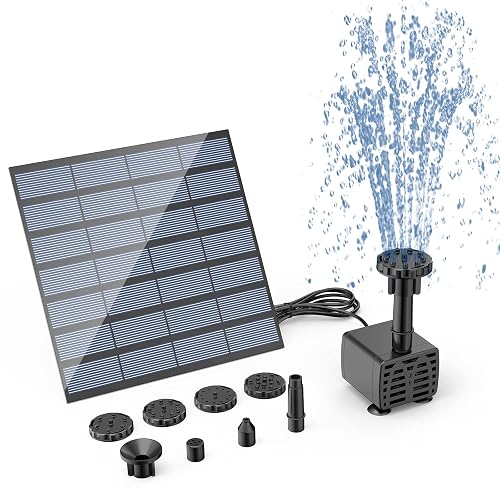
Shopping for one? See our guide: 5 Best Solar Powers for Fountain Pump Options for Garden Ponds (2026).
Step 2: Calculate Total Dynamic Head
Total dynamic head (TDH) is the combined resistance the pump must overcome. It includes the static water level (the vertical distance from the water surface in the well to the discharge point), any drawdown while pumping, and friction loss in the pipe. A pump rated for 100 feet of head will fail to move water if your TDH is 140 feet. Pipe diameter matters here too: a small line over a long run can add significant friction, so check the manufacturer’s head-versus-flow chart rather than relying on the maximum head figure.
Step 3: Size the Pump and Panel Array
Once you have GPM and TDH, select a pump whose performance curve shows your target flow at that head. Then size the panels to the pump’s rated input power, adding margin for low-light days and panel temperature losses. Manufacturers usually publish a recommended array size for each model. Most solar well pump systems use a DC pump with a controller, and some include a maximum power point tracker (MPPT) that improves output in variable sunlight.
| Factor | What to measure | Why it matters |
|---|---|---|
| Daily demand | Gallons per day | Sets the required GPM |
| Static water level | Feet from surface to water | Adds to total head |
| Pipe run and diameter | Length and inside diameter | Friction loss reduces flow |
| Peak sun hours | Local average daily value | Determines array size |
Step 4: Plan the Installation and Wiring
Mount panels where they receive unshaded sun from late morning to mid-afternoon, and tilt them toward the equator at an angle near your latitude. Use wire sized for the voltage drop over the run, since long DC runs lose power quickly. Install a float switch or level sensor in the storage tank so the pump shuts off before the tank overflows or the well runs dry. Keep the pump submerged at the depth the manufacturer specifies, usually with the intake above the bottom sediment.
Checklist before you power up
- Confirm TDH against the pump curve.
- Verify panel voltage and array wattage match the controller.
- Check all DC connections for polarity and tight terminals.
- Test the float switch or dry-run protection.
- Note the static water level for future troubleshooting.
Common mistakes to avoid
- Sizing the pump only by its maximum head rating instead of the flow at your actual TDH.
- Undersizing wire on long runs, which causes voltage drop and weak pumping.
- Skipping dry-run protection, which can burn out a submersible motor.
- Placing panels where afternoon shade from trees or buildings cuts output.
- Ignoring seasonal changes in static water level during dry months.
Recommended gear
A DC-rated pump controller with MPPT helps the pump run across changing light conditions. View on Amazon
A tank level float switch prevents overflow and dry running. View on Amazon
Outdoor-rated DC wire in an appropriate gauge keeps voltage drop low over longer runs. View on Amazon
FAQ
How many solar panels do I need for a well pump?
It depends on the pump’s rated input power and your local peak sun hours. Check the manufacturer’s recommended array size and add margin for cloudy days.
Can a solar well pump work without batteries?
Yes. Most direct-drive systems pump water only when the sun is shining and store it in a tank. Batteries add cost and maintenance, so they are needed only if you require water after dark.
How deep can a solar well pump draw water?
Depth is limited by the pump’s rated head and the static water level in your well. Compare your TDH with the pump curve, and consult a licensed well contractor before installing deep-well equipment.
Conclusion
A solar well pump system works best when you size it from real numbers: daily gallons, total dynamic head and local peak sun hours. Match the pump curve to your flow and head, then size the panels and wiring to match. Confirm the setup with a licensed well professional if your well is deep or your water supply is critical.
Related reading
- Solar Water Pumps Explained: How PV Pumping Systems Work
- Solar Water Heater Pumps and Controllers: How Active Systems Run
- What Pump to Use for DIY Solar Pool Heater: A Flow-First Guide
Ready to choose one?
About Ethan Brooks
Ethan Brooks is part of our editorial team and reviews and edits our solar water systems guides, checking product details against manufacturer specifications and owner feedback.