By Ethan Brooks
Updated November 2026
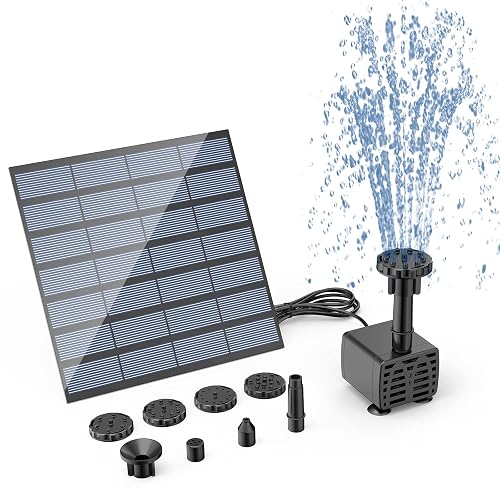
A solar powered water pump rain barrel setup lets you move stored rainwater to garden beds, containers or a drip line without mains power or a hose connection. In this guide you will estimate how much water you need, match a pump to your lift height, size a small solar panel and battery, and place the system so it runs reliably through the season.
Step 1: Work Out Your Water Demand and Head Height
Start with the flow rate you need at the outlet. A soaker hose or drip line typically runs on well under 1 gallon per minute, while a sprinkler or hose-end spray may need several. Write that number down first, because every pump is rated by flow at a given lift.
Shopping for one? See our guide: Solar Powered Water Pump for Small Fountain: 7 Best Picks Compared (2026).
Next, measure head height: the vertical distance from the water surface in the barrel to the highest point the water must reach. Add friction loss from the pipe run, which grows with pipe length and narrow diameter. Manufacturers usually publish flow charts showing gallons per hour at several head heights. Choose a pump whose chart still delivers your required flow at your total head, not at zero lift.
Step 2: Match the Pump to Your Barrel and Lift
Most rain barrel setups use a small submersible DC pump placed inside the barrel. Because rain barrels hold relatively little water, the pump must be able to run dry-safe or be protected by a float switch so it does not overheat once the barrel empties. Look for a pump rated for continuous submersion and a low-voltage DC input that matches your panel and battery.
If you plan to run a pump directly from a panel with no battery, use a model that is designed for direct-solar operation. These run only in daylight and deliver the most water at midday, so they suit irrigation timed for morning or evening use.
Step 3: Size the Solar Panel and Battery
Panel wattage should be chosen with your pump’s rated input in mind, plus margin for weak light. A common approach is to pick a panel rated somewhat above the pump’s maximum draw so it can run at full speed in strong sun. Check the pump label or manual for input voltage and current.
If you want water after dark or on cloudy days, add a battery and charge controller sized to the pump’s daily energy use. Estimate that use by multiplying pump current by hours of operation. Consult a qualified electrician or the equipment manufacturer if you are wiring anything beyond a simple plug-in kit.
Step 4: Install and Position the System
Place the panel where it gets unshaded sun for most of the day, facing true south in the Northern Hemisphere. Mount the pump so its intake sits just above the barrel floor, which keeps sediment out of the line. Run the outlet hose downhill where possible, and use a check valve if water could siphon back into the barrel.
Setup checklist
- Record required flow rate at the outlet.
- Measure total head height plus pipe friction loss.
- Confirm the pump’s flow at that head on its chart.
- Match panel and battery voltage to the pump’s input.
- Mount the panel unshaded and facing the sun.
- Fit a screen or filter on the intake and a float switch for dry protection.
| Factor | What to check |
|---|---|
| Flow rate | Gallons per minute your drip line or sprinkler needs |
| Head height | Vertical lift plus pipe friction |
| Panel | Wattage and voltage matched to pump input |
| Battery | Needed only for water outside sunlight hours |
Common mistakes
- Choosing a pump by its maximum flow rating instead of its flow at your real head height.
- Running the pump dry once the barrel empties, which can damage the motor.
- Shading part of the panel with gutters or branches, which can cut output sharply.
- Using undersized tubing that adds so much friction the pump barely moves water.
- Leaving the intake on the barrel floor, where sediment clogs the screen quickly.
For background on how these systems are typically sized, see What Size Solar Pump for Water Feature? Flow, Head and Panel Sizing and Solar Water Pumps Explained: How PV Pumping Systems Work.
Recommended gear
- Submersible DC pump with float switch: keeps the pump from running dry as the barrel empties. View on Amazon
- Solar panel kit with charge controller: simplifies wiring between panel, battery and pump. View on Amazon
- Inline screen filter for pump intake: stops debris from reaching the impeller. View on Amazon
FAQ
Can a solar powered water pump run a rain barrel system without a battery?
Yes, a direct-solar pump can run whenever the panel gets enough light. It will only pump during daylight, so plan irrigation around the sunniest part of the day.
How high can a rain barrel pump lift water?
Lift depends on the specific pump and its flow chart. Check the flow rate at your total head height, since flow drops as lift increases.
Why does my solar rain barrel pump stop in the afternoon?
Shade on the panel, a low battery or the barrel running empty are the usual causes. Check each one before assuming the pump has failed.
Conclusion
A solar powered water pump rain barrel system works best when flow rate, head height and panel size are matched before you buy. Measure first, choose a pump by its real-world flow at your lift, and protect it from running dry. With those basics in place, your stored rainwater can reach the garden reliably all season.
Related reading
- Why Does My Solar Powered Hot Water Pump Stop Working? Causes and Fixes
- Solar Powered Water Well Pump Systems: A Step-by-Step Guide (2026)
- How a Solar Powered Water Pump Works Task 1?
- How a Solar Powered Water Pump Works (IELTS Guide and Explanation)
Ready to choose one?
About Ethan Brooks
Ethan Brooks is part of our editorial team and reviews and edits our solar water systems guides, checking product details against manufacturer specifications and owner feedback.