By Miles Fisher
An xtremepowerus solar pool heater is a solar collector system that uses sunlight to warm pool water as it circulates through a filter pump. This guide walks you through how these systems work, how to size one for your pool, what to check before installation, and the mistakes that most often reduce heating output. By the end, you should be able to judge whether a unit suits your pool and plumbing and what to verify before you buy or install.
Most of what matters with any solar pool heater comes down to water flow, head height and collector area relative to pool volume. Those three numbers drive your results far more than brand names do, so the sections below focus on them.
Shopping for one? See our guide: 6 Best Starlite SLC Solar Collectors (2026): Expert Picks.
How a Solar Pool Heater Works
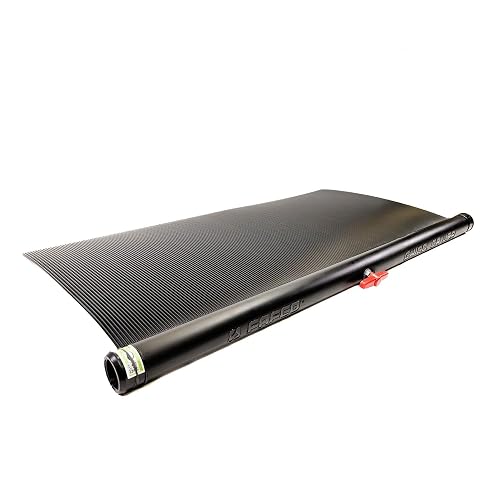
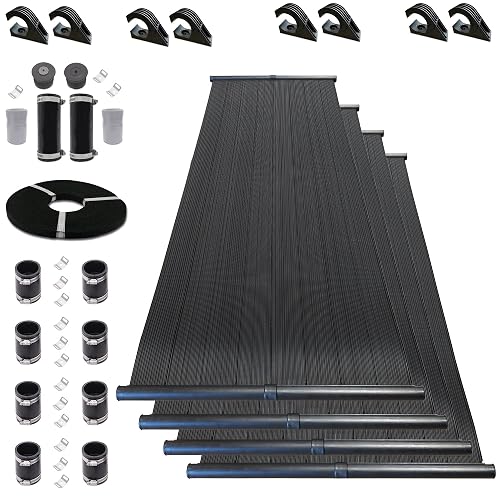
A typical unpressurized solar pool heating setup uses a rack of plastic collector panels, usually mounted on a roof or ground rack. Your pool pump pushes water through the filter, then routes it to the collectors through a diverter valve. The water passes through the small channels in the panels, absorbs heat from the sun, and returns to the pool. When the collectors are cooler than the pool or the sun is weak, a diverter or automatic controller sends water straight back to the pool, bypassing the panels.
Because the panels are unglazed plastic, they heat water efficiently at low temperatures, which is exactly what a pool needs. They do not get hot enough to heat domestic hot water, which is why solar pool heating is a separate category from solar water heating. For background on the broader technology, see Solar Pool Heating: How It Works and What to Plan and Types of Solar Water Heating Systems: Active, Passive, Direct, Indirect.
Step 1: Size the Collector Area for Your Pool
Sizing is where most homeowners either overbuy or underperform. A common rule of thumb for unglazed collectors is roughly 50 to 100 percent of pool surface area, with the exact ratio depending on climate, desired water temperature and how long you run the pump. Pools in cooler regions and pools you want to use early or late in the season generally need more collector area. Pools in hot climates with long sun hours may need less.
Manufacturers typically specify collector area per panel, so divide your target collector area by the area of one panel to get a panel count. Do not forget that a warm pool loses heat through evaporation, wind and the surface, so a cover improves results considerably.
Measure Your Pool Accurately
- Surface area in square feet (length × width for rectangles; π × radius² for circles).
- Average depth and total volume in gallons, used to estimate how long water needs to circulate.
- Pump rated flow in gallons per minute (GPM) at the head height you plan to use.
Step 2: Check Flow Rate and Head Height
Solar pool heaters are only as good as the water moving through them. The collector has a rated flow range, often expressed in gallons per minute. Too little flow and the water overheats inside the panels, which can damage fittings and reduces efficiency. Too much flow and the water passes through too fast to absorb meaningful heat.
Head height matters because the pump must lift water from the pool to the top of the collector. A roof installation adds vertical head, and every additional foot of lift and every extra fitting increases the pump’s workload. Check your pump’s performance curve, which shows flow at different head pressures, rather than relying on its maximum rating. If your pump cannot deliver the collector’s minimum flow at your actual head height, you will need a larger pump, a booster, or a lower roof-mounted rack.
| Factor | What to check | Why it matters |
|---|---|---|
| Pool surface area | Square feet of water surface | Drives how much collector area you need |
| Pump flow at head | GPM at your real lift height | Must meet the collector’s minimum flow |
| Head height | Vertical distance from pump to collector top | Higher head reduces delivered flow |
| Sun exposure | Hours of direct sun on the collector | Shade sharply reduces heat gain |
| Pool cover | Use or absence of a cover | Limits heat loss overnight and in wind |
Step 3: Plan the Plumbing and Controls
Plan the route from the pump to the collector and back before you cut any pipe. Keep the run short and use the largest diameter line practical, because smaller pipe adds friction and reduces flow. Install a check valve or ensure your pump can handle backflow, and place a diverter or automatic valve so the system can bypass the collector when it is not useful. Automatic controllers that sense collector and pool temperatures save energy and protect the panels from overheating in the middle of the day.
Include drain-down or freeze protection if you live where temperatures drop below freezing. Many owners rely on a valve that empties the collector overnight; check the manufacturer’s instructions for the required slope and drain location. For more on controls, see Solar Water Heater Controls and Monitoring: What to Look For.
Tools and Supplies Checklist
- Tape measure and level for the collector rack.
- Pipe cutter, deburring tool and solvent-weld cement suited to the pipe material.
- Diverter or automatic bypass valve rated for your system.
- Check valve, unions and fittings sized to the pipe.
- Pressure gauge and a flow meter or bucket test to verify GPM.
- Roof flashing or ground mounting hardware, depending on your installation.
Step 4: Install and Verify Performance
Mount the collectors facing as close to true south as practical in the Northern Hemisphere, or true north in the Southern Hemisphere. A tilt near your latitude is a reasonable starting point for year-round use, while a slightly steeper tilt favors cooler-season heating. Keep the panels free of shade from trees, parapets and nearby structures during the hours you most need heat.
Once installed, verify flow. Run the pump with the collector in circuit and measure how long it takes to fill a known volume, such as a five-gallon bucket, at the return. Convert that to GPM and compare it against the collector’s specified range. Then watch the system for an afternoon: the water entering the collector should be only a few degrees warmer than the pool at the start of a sunny day, and the return should be noticeably warmer by midday. Problems at this stage are much easier to fix before the system is buried in routine use.
Common Mistakes
- Undersizing the collector. A small panel array can only raise the temperature a few degrees, which many owners find disappointing.
- Ignoring head height. A pump that works fine on the ground can deliver too little flow on a roof.
- Running the collector without a bypass. On cool or cloudy days the panels can pull heat out of the pool instead of adding it.
- Skipping a pool cover. Evaporation is a major heat loss, so a cover often matters as much as the collector.
- Using undersized plumbing. Narrow lines add friction that cuts flow and forces the pump to work harder.
- Neglecting winterization. Trapped water in freezing weather can crack collector headers and fittings.
Recommended gear
A few supplies make installation and operation noticeably easier. A solar pool cover reduces overnight heat loss, which is one of the most cost-effective ways to improve results: View on Amazon. A quality diverter valve lets you direct water to the collector or back to the pool without manual repiping: View on Amazon. A digital flow meter or inline flow indicator helps you confirm the GPM your collector is receiving: View on Amazon. A temperature probe or pool thermometer makes it easy to compare pool and return temperatures during testing: View on Amazon.
FAQ
Can an xtremepowerus solar pool heater heat my pool to swimming temperature in any climate?
Results depend on sun hours, air temperature, wind and pool cover use. In warm, sunny regions an unglazed collector often extends the swimming season substantially. In cooler climates it typically adds several degrees rather than fully heating the pool, so plan around the temperatures you actually need.
How many collector panels do I need?
Start with a collector area of roughly 50 to 100 percent of your pool surface area, then adjust for climate and how early or late you want to swim. Divide that area by the area of one panel to get a count. Confirm the result against the manufacturer’s flow requirements.
Does a solar pool heater work at night or on cloudy days?
Unglazed collectors gain little or no heat without sun. A bypass valve or controller should route water straight back to the pool in those conditions so the panels do not cool the water.
Do I need a bigger pump for a solar pool heater?
Not always. Check whether your existing pump delivers the collector’s minimum GPM at your actual head height. If it falls short, a larger or variable-speed pump, or a lower collector mount, may be necessary.
Will the panels crack in freezing weather?
They can if water remains inside. Use the drain-down or freeze protection method in the manufacturer’s instructions, and consider a winterization routine if your area sees hard freezes.
Should I use a pool cover with a solar heater?
Yes, in most cases. Overnight and windy-period heat loss can be large, and a cover reduces that loss substantially, letting the collector spend its energy on warming the water rather than replacing it.
How do I know if my system is performing properly?
Measure flow and compare return temperature to pool temperature on a sunny day. If the return is not warmer by midday, check for shading, low flow, air in the lines or a bypass valve stuck in the wrong position. For troubleshooting ideas, see Solar Water Heater Troubleshooting: Common Problems and Causes.
Can I install the system myself?
Many owners handle mounting and plumbing themselves, but roof work and electrical connections carry real risks. If you are unsure about structural loads, roof penetrations or pump wiring, consult a licensed professional.
Conclusion
An xtremepowerus solar pool heater can extend your swimming season when the collector area, pump flow and head height are matched to your pool. Measure your pool, check the pump’s performance at your real lift, and plan bypass and freeze protection before installing. Verify flow and return temperature after setup, and pair the system with a pool cover to get the most heat from every sunny day.
Related reading
- Where Solar Water Heating Is Used: Homes, Pools and Beyond
- What Affects Solar Water Heater Efficiency and Performance
Ready to choose one?

About Miles Fisher
Miles focuses on practical advice for solar water systems: what matters before you buy, what to skip, and how to get more out of what you already own.