By Miles Fisher
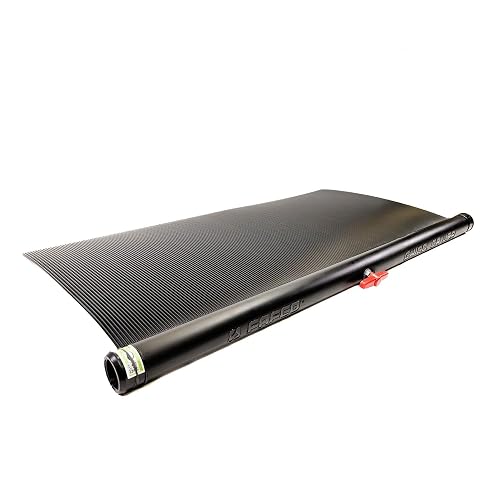
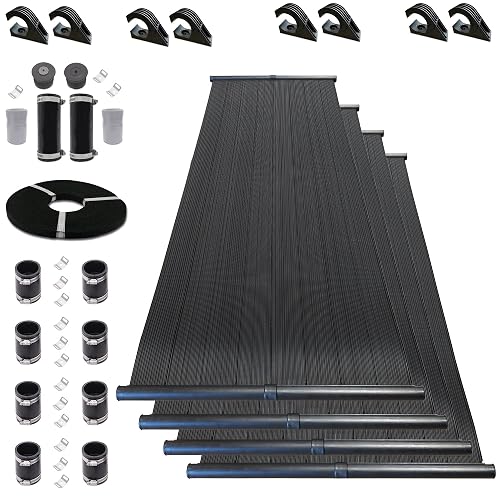
An intex pool solar water heater is generally a solar pool heating panel or mat, not a standalone heater, and it works by sending pool water through dark plastic tubing or collectors that absorb sunlight. It can raise pool temperature a few degrees on sunny days when it is paired with a circulation pump that moves enough water through the panels. Performance depends on sun exposure, flow rate, and how well the pool is covered and insulated.
Why an Intex Solar Heater Often Underperforms
Most owners who report disappointing results are dealing with one of three problems: too little flow through the collector, too much head height between the pump and the panel, or a system that runs only a few hours a day. Solar pool heating is a low-temperature process. The collector only needs to add a modest amount of heat, but it needs a steady stream of water passing through it to do that. If the water barely moves, the heat stays in the panel and the pool gets little benefit.
Shopping for one? See our guide: 7 Best Solar Water Heating Large Household Systems Compareds (2026).
Intex sells several solar pool heating accessories designed to work with its filter pumps, and many owners connect them to the existing filter line. That approach can work, but only if the filter pump has enough capacity left after the pressure drop through the filter, the heater, and the plumbing. Once the system is pushed past its rated flow, the water bypasses the panel more than it should and temperature gains shrink.
The Factors That Control Results
Four variables do most of the work, and you can measure or estimate each one.
- Flow rate. Solar pool collectors generally need enough flow to keep the water moving through the panel without letting it sit in the sun too long. Check your pump’s rated gallons per hour, then subtract what the filter and plumbing consume. Manufacturers usually specify a recommended flow range for their collectors; stay inside it.
- Total head. Head is the vertical lift plus the friction loss in the pipe. A pump that delivers good flow at zero head may deliver much less when water must climb to a roof-mounted panel. Keep the collector as close to pool level as practical, use the shortest run of pipe you can, and avoid tight elbows.
- Sun hours. Panels need direct sun. Shade from trees, fences or neighboring structures cuts output sharply. Mounting at a steeper angle can help during cooler months, while a flatter angle favors summer.
- Cover and wind. A solar pool cover reduces evaporation and heat loss overnight, which often matters more than the collector itself. Wind pulls heat off the surface, so windbreaks help.
What to Do About It
- Measure your pump’s flow at the collector outlet with a bucket and a timer. Compare the result to the collector’s recommended range.
- If flow is low, check the filter for debris, clean the pump basket, and confirm that the valves are set to send water to the heater rather than bypassing it.
- Shorten the pipe run and reduce elbows and fittings. Each change lowers friction loss and helps the pump deliver more water to the panel.
- Run the circulation pump during peak sun, typically late morning through mid-afternoon, and extend hours gradually if the pool still lags.
- Install or use a solar cover every night to hold heat in the water.
- Check for air leaks at fittings and for a pump that loses prime. Air pockets in the collector are a common cause of erratic readings.
If the system needs a new pump, valve or controller to meet its flow requirements, consult a pool or solar professional before adding equipment, especially if electrical work is involved.
What We’d Use
Choose a collector sized to your pool surface area and a pump that delivers adequate flow after accounting for head and filter losses.
- Intex solar pool heater panel that matches your pool’s filter pump capacity, a reasonable fit for owners who want a direct, plug-in add-on. View on Amazon
- Solar pool cover for above-ground pools, which is often the most cost-effective way to keep daytime heat overnight. View on Amazon
- Variable-speed pool pump, which lets you run higher flow during sunny hours without wasting energy at other times. View on Amazon
Related questions
How much can an intex pool solar water heater raise the water temperature?
Results vary with sun, flow and pool size, and manufacturers do not guarantee a specific gain. Many owners see a few degrees of improvement on sunny days, with bigger gains when a solar cover is also used.
Does it work on cloudy days?
Output drops substantially under cloud cover. Collectors still gather some diffuse light, but expect minimal gain on overcast days.
Can I connect it to my existing filter pump?
Often yes, but confirm that the pump’s flow after filter losses stays within the collector’s recommended range, and that the plumbing can handle the added head.
Should I use it in winter?
Winter sun is weaker and days are shorter, so gains are small. In freezing climates, drain or winterize the collector to prevent freeze damage, and follow the manufacturer’s guidance.
How do I know if my panel is getting enough flow?
Measure outlet flow with a bucket and timer, and feel the temperature difference between the collector inlet and outlet on a sunny afternoon. A noticeable rise indicates that water is moving through the panel as intended.
Related reading
- Where Solar Water Heating Is Used: Homes, Pools and Beyond
- What Affects Solar Water Heater Efficiency and Performance
- Solar Water Heater Troubleshooting: Common Problems and Causes
Ready to choose one?

About Miles Fisher
Miles focuses on practical advice for solar water systems: what matters before you buy, what to skip, and how to get more out of what you already own.