By Miles Fisher
A solar hot water pool heater uses sunlight to warm pool water as it circulates through a collector array, and it can extend your swimming season by weeks or months with the right sizing and plumbing. In this guide you will learn how these systems work, how to estimate the collector area your pool needs, how to plumb and control the system, and which mistakes most often reduce performance. The focus throughout is on water: flow rate, head height and pump sizing, because those numbers decide whether the heater actually delivers.
How a Solar Pool Heater Works
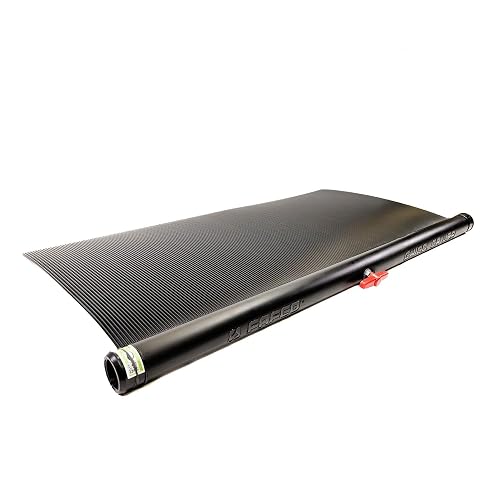
Most residential systems are unglazed polymer collectors, usually black plastic panels with small channels that let water flow through them while the sun heats the material. Pool water is pulled from the filter line, pushed through the collectors by the existing circulation pump, and returned to the pool warmer than it left. A diverter or automatic valve sends water to the collectors only when the roof or collector surface is warmer than the pool, so the system does not cool the water on cloudy days or at night.
Shopping for one? See our guide: 7 Best Solar Water Heating Large Household Systems Compareds (2026).
Because the heat comes from the same pump that runs your filter, a solar hot water pool heater is a passive-to-active hybrid: no separate heating loop or fuel is needed, but the pump has to push water through a fairly long run of small channels. That makes flow rate and head height the two numbers you should understand before buying anything.
Step 1: Estimate Your Collector Area
Collector area is the first sizing decision. A common rule of thumb for swimming-season heating is roughly 50 to 100 percent of the pool surface area in collectors, with the lower end suited to warm climates and the higher end to cooler regions or to extending the season into spring and fall. Manufacturers usually publish their own sizing charts, and those should override general rules of thumb.
Work through these inputs:
- Measure the pool surface area in square feet (length × width for rectangles, or the standard formula for other shapes).
- Decide how many degrees of extra heat you want, such as 10 to 15°F above ambient in mild climates.
- Check your local solar exposure and the months you want to swim.
- Match the result to the collector manufacturer’s chart for your pool volume and climate zone.
A pool that is heavily shaded for half the day will need more collector area than the same pool in full sun. Wind also pulls heat from the water, so an open, breezy site often benefits from a larger array or a pool cover used at night.
Step 2: Check Flow Rate and Head Height
Solar collectors add resistance to the circulation loop. Flow rate, measured in gallons per minute (GPM), needs to be high enough to move water through the collectors without overheating them, but low enough that the pump is not working hard enough to waste energy. Manufacturers typically specify a flow range per panel, and most residential arrays run well at moderate flow when the pool pump is sized correctly.
Head height is the vertical distance from the pump to the highest point in the collector loop, plus friction loss through pipes and fittings. The higher the roof-mounted collectors, the more head the pump must overcome. Before you buy, confirm that your existing pump can deliver the target GPM against the total dynamic head of the new loop. If it cannot, you may need a larger pump or a booster, and a pump with a poorly matched curve will move less water than the label suggests.
Quick Sizing Reference
| Factor | What to Check | Why It Matters |
|---|---|---|
| Pool surface area | Square feet of water | Sets the baseline collector area |
| Sun exposure | Hours of direct sun per day | Shaded systems need more panels |
| Climate zone | Ambient temperature range | Colder regions need more area and cover |
| Flow rate | GPM through the collectors | Too low overheats panels; too high wastes pump energy |
| Total head | Vertical lift plus friction loss | Determines whether the pump can deliver target flow |
| Roof or ground mount | Orientation and tilt | Affects heat gain and mounting cost-to-benefit |
Step 3: Plan the Plumbing and Controls
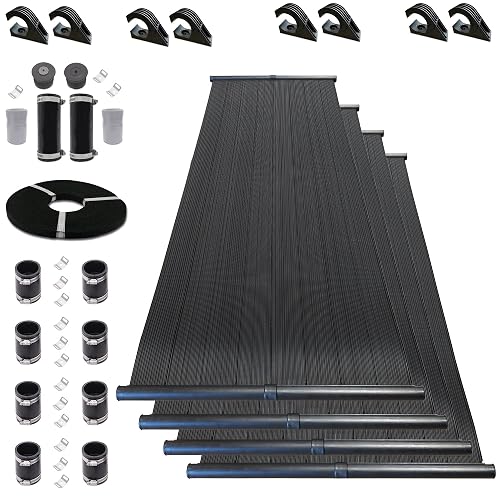
A typical installation takes pool water from the filter return or a dedicated tap, sends it through a check valve and the collectors, then returns it to the pool. Key components include a diverter valve, a temperature sensor on the collector outlet or roof, a pool water sensor, and a controller that switches the flow. Automatic systems compare the two temperatures and send water to the panels only when the collectors are warmer than the pool.
Use UV-resistant pipe and fittings sized to keep friction loss low. Undersized lines can cut flow more than people expect. Install drain-down or manual drain valves in freezing climates, and slope the collector loop so it empties completely when the pump shuts off for winter.
Tools and Materials Checklist
- Pool and pump specification sheet (flow curve and horsepower)
- Collector array with mounting hardware
- Diverter or automatic valve assembly
- Check valve and unions for service access
- UV-resistant PVC pipe, fittings and solvent cement
- Temperature sensors and controller
- Drain valves and a pipe hanger or support kit
- Flow meter or pressure gauge for commissioning
Step 4: Commission and Balance the System
After installation, run the pump and confirm that water moves evenly across all panels. Uneven flow often shows up as hot and cold spots on the collector surface. Adjust the balancing valve until the outlet temperatures are close across the array. Then check the controller: it should switch to the collectors at a sensible temperature differential and back to the pool when the sun drops.
Verify the pool return flow too. If the pool heater is too restrictive, the filter may not circulate enough water to clear debris, which is a separate problem from heating.
Common Mistakes
- Ignoring head height. A pump that works on paper at zero lift may deliver far less once the roof collectors are added.
- Undersizing the collectors. A small array may run every day but still leave the water cool in early spring or late fall.
- Running the pump at night. Without a pool cover, the water loses heat faster than the system can recover it.
- Skipping freeze protection. Water left in the panels can crack them in a hard freeze.
- Mixing pipe sizes. Reducing the line size between the pump and collectors creates friction that cuts flow.
- Forgetting the check valve. Without it, water can drain back through the pump when it stops.
Tips for Better Performance
- Use a solar pool cover at night to hold the heat you have gained.
- Keep the collectors clean of leaves and debris, and check the surface after storms.
- Run the pump during the warmest part of the day to maximize heat gain.
- Review the flow rate each season, since debris in the filter can reduce it.
Recommended gear
A pool solar cover helps retain heat overnight and reduces evaporation, which often does more for water temperature than adding collector area alone. View on Amazon
A flow meter or inline pressure gauge lets you confirm that the pump is moving the GPM the collector chart requires. View on Amazon
A pool-rated temperature probe or digital thermometer lets you compare pool and collector temperatures before the controller switches. View on Amazon
FAQ
How much of my pool should the collectors cover?
Many owners aim for roughly 50 to 100 percent of the pool surface area, depending on climate and how long you want to swim. Check the manufacturer’s sizing chart for your exact conditions.
Can my existing pool pump run a solar hot water pool heater?
Often yes, but you need to confirm that the pump can deliver the target GPM against the total head of the solar loop. A pump curve comparison or a flow test will show whether it can.
Does head height matter for roof-mounted collectors?
Yes. Every foot of lift and every bend in the pipe adds resistance. High roof-mounted arrays can cut flow noticeably, so calculate total dynamic head before buying.
Should I drain the system in winter?
In freezing climates, yes, or you need reliable freeze protection. Drain-down valves and sloped piping let the collectors empty when the pump stops.
Do I need a pool cover?
A cover is not required, but it significantly reduces heat loss overnight and through evaporation, which can make a modest array perform much better.
How do I know if the system is working?
Compare the collector outlet temperature with the pool temperature on a sunny afternoon. A consistent difference of several degrees while the pump runs usually means the system is gaining heat.
When should I call a professional?
If you are unsure about pump sizing, roof loading, electrical work for the controller, or freeze protection, consult a qualified pool or solar installer. Improper plumbing can damage equipment and void warranties.
Conclusion
A solar hot water pool heater works best when collector area, flow rate and head height are matched to your pool and climate. Measure your surface area, check the pump curve against total head, and plumb the loop with low-friction pipe and proper freeze protection. Add a cover and keep the collectors clean, and you should see reliable gains through a longer swimming season.
Related reading
- Sizing a Solar Water Heater for Your Household’s Hot Water Demand
- Where Solar Water Heating Is Used: Homes, Pools and Beyond
- What Affects Solar Water Heater Efficiency and Performance
- Solar Water Heater Troubleshooting: Common Problems and Causes
- Solar Water Heater Storage Tanks: What Homeowners Should Know
Ready to choose one?

About Miles Fisher
Miles focuses on practical advice for solar water systems: what matters before you buy, what to skip, and how to get more out of what you already own.