By Miles Fisher
Updated November 2026
A pool heater solar powered system uses sunlight to warm pool water as it passes through roof-mounted or ground-mounted collectors, typically raising water temperature several degrees on a sunny day without burning fuel. In this guide you will learn how these systems work, how to match collector area to your pool’s volume and flow rate, how to plumb and control the system, and which mistakes cost owners the most heat. Most of the decisions come down to water flow and head height, so we start there.
How a Solar Pool Heater Actually Works
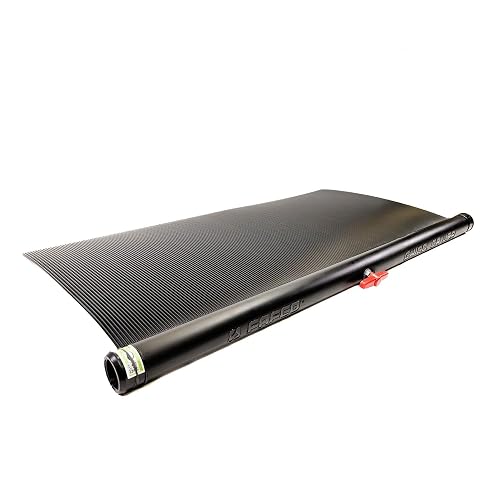
A solar pool heater is a simple loop. Your existing pool pump draws water from the skimmer or main drain, sends it through a filter, then routes it to the solar collectors. The collectors are typically black polypropylene or EPDM rubber mats with small channels that absorb sunlight and transfer heat to the water. The warmed water returns to the pool through the return line. No gas, no electric element, and no combustion, which is why the running cost is almost entirely the electricity for the pump.
Shopping for one? See our guide: 8 Best Solar Water Pool Heater Options for Every Pool Size in 2026.
Because the water moves through the collectors only while the pump runs, the system’s performance depends on three things: how much sun the collectors receive, how much water flows through them, and how long the pump runs each day.
Step 1: Calculate Your Pool Volume and Heating Goal
Before you buy anything, measure the pool. Multiply length by width by average depth for a rectangular pool. For a round pool, use the radius squared times pi times average depth. Convert cubic feet to gallons by multiplying by 7.48.
- Example: a 16 × 32 ft pool averaging 5 ft deep holds about 16 × 32 × 5 × 7.48 ≈ 19,160 gallons.
- Decide how many degrees you want to add. Many owners aim for a 5 to 10 °F rise over unheated water temperature, which is realistic for solar in most of the US.
- Note your climate. Warm, sunny regions extend the swim season far more than cool, cloudy ones.
Step 2: Size the Collector Area
Collector sizing is where most systems succeed or fail. A common rule of thumb is that collector area should be roughly 50 to 100 percent of the pool surface area for a moderate temperature rise, with the higher end for cooler climates or for extending the season. Your exact figure depends on climate, wind exposure and the target temperature, so use the manufacturer’s sizing chart when available.
Here is a practical reference for a 16 × 32 ft (512 sq ft) pool:
| Goal | Approximate collector area | Typical use |
|---|---|---|
| Modest extension of the season | About 50% of pool surface (256 sq ft) | Warm climates, shoulder-season swimming |
| Moderate heating | About 75% of pool surface (384 sq ft) | Most US regions |
| Strong heating for cool climates | About 100% of pool surface (512 sq ft) | Northern climates, early and late season |
For a deeper walkthrough of panel counts and collector types, see Solar Pool Heater Sizing: How Many Panels Does Your Pool Need? and Solar Pool Heater Sizing Calculator: How Many Panels Do You Need?.
Step 3: Check Flow Rate and Head Height
Flow rate and head height determine whether your pump can push enough water through the collectors. Solar collectors add resistance, and the vertical distance from pump to roof adds more. Work through these numbers:
- Find your pump’s flow at the head you will actually run. Pump curves list gallons per minute at different heads. Using the flow at zero head overstates performance.
- Estimate total head. Add the vertical lift from pump to the top of the collectors, plus the friction loss in pipe and fittings, plus the collector’s own pressure drop from the manufacturer’s data.
- Compare to the collector’s recommended flow. Many manufacturers specify a flow per square foot of collector. If your pump delivers far less than that, water will move through the collectors too slowly to heat well, and too quickly if you oversized the pump.
Keep pipe runs short and use the proper diameter. Undersized plumbing is a hidden flow killer, and it often causes the pump to run hot while delivering little heat.
Step 4: Plan the Plumbing and Valves
A typical layout takes water from the pump discharge (after the filter), routes it up to the collectors, and returns it to the pool. You will need:
- A diverter or three-way valve so you can bypass the solar system when you do not need heat.
- Check valves and a vacuum breaker to protect the pump and prevent siphoning when the pump stops.
- Drain-down valves at the low points so you can empty the collectors before freezing weather.
- A temperature sensor on the collector outlet for automatic control, if you use one.
For a full layout, review Solar Pool Heater Plumbing Diagram: Step-by-Step Layout for Beginners and Solar Pool Heater Diagram: How the Parts Connect and Flow (2026). The vacuum breaker deserves special attention, so read What Is a Solar Pool Heater Vacuum Breaker and Why Does It Matter?.
Step 5: Install the Collectors Correctly
- Mount collectors facing as close to true south as possible in the Northern Hemisphere, with a tilt that roughly matches your latitude for year-round use, or a steeper tilt for winter-focused heating.
- Keep them free of shade from trees, chimneys or neighboring roofs during peak sun hours.
- Use manifold connections that balance flow evenly across all panels. Unequal flow leaves some panels hot and others cool.
- Secure mounts to the roof structure, not just the roofing material, and follow local wind-load requirements.
- Pressure test the system before insulating or covering any lines.
If you are considering a dome-style or unusual mounting approach, Solar Pool Heater Dome: How It Works, Sizing and Setup Steps explains the trade-offs.
Step 6: Control the System and Run the Pump Smartly
Solar heating only works while the pump runs, so pump scheduling matters. A common approach is to run the pump during the warmest part of the day, typically late morning through mid-afternoon, and enough hours to turn over the pool volume at least once. Many owners add an automatic controller that opens the solar valve only when collector temperature is higher than pool temperature. Without that check, the system can pull heat out of the pool on cool nights.
Common Mistakes
- Undersizing collectors. A small array will barely move the needle and leave owners disappointed.
- Ignoring head loss. A pump that looks adequate on paper may deliver a fraction of its rated flow once lift and friction are counted.
- Skipping the bypass. Without a diverter, you cannot run the filter alone during hot weather or when the collectors are not needed.
- Running the pump at night. Cooler collectors can pull heat from the water. Use a controller or a timer set to daylight hours.
- Forgetting winterization. Water left in collectors can freeze and crack them. Drain or use freeze protection where temperatures drop.
- Poor shade management. A single tree branch across the array can cut output noticeably.
Tips for Better Results
- Cover the pool at night with a solar blanket to hold in gained heat. It is one of the cheapest efficiency upgrades available.
- Check the collector outlet and pool temperatures on a sunny day to confirm the system is actually adding heat.
- Inspect the collectors each spring for leaks, UV damage at connections and loose clamps.
- Keep the filter clean. A dirty filter reduces flow, which reduces heating.
Recommended gear
Three categories of gear make the difference between a system that works and one that struggles. Choose products that match your pool size and pump specifications.
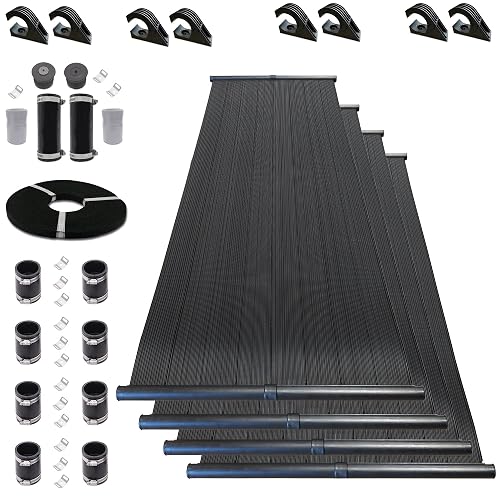
- Solar pool heater collector panels sized to your calculated area, since panel count and layout drive most of the performance. View on Amazon
- Automatic solar pool heater controller with a collector temperature sensor, which prevents the system from cooling the pool overnight. View on Amazon
- Solar pool heater bypass diverter valve so you can route water around the collectors when you do not need heat. View on Amazon
- Solar pool cover to retain heat overnight and reduce evaporation. View on Amazon
FAQ
How much can a pool heater solar powered system raise the temperature?
Results vary by climate, collector area and flow rate. Many systems add roughly 5 to 15 °F over unheated water on sunny days, and well-sized systems in warm regions can do more. Check manufacturer sizing charts for realistic expectations in your area.
Can a solar powered pool heater work on cloudy days?
It works at reduced output on cloudy days, since collectors still absorb diffuse light, but the gain is much smaller. Solar heating is best thought of as a daytime system that builds temperature over several sunny days.
Do I need a bigger pump for solar heating?
Not always. You need a pump that delivers adequate flow at the total head of your system. Check the pump curve at your real head height and compare it to the collector’s recommended flow. Many existing pumps are sufficient if the plumbing is not too restrictive.
Is a solar pool heater hard to install yourself?
Many owners handle the plumbing and mounting themselves, but roof work, electrical controls and local permits can be involved. If you are unsure about structural loads, roof penetrations or code compliance, consult a licensed professional.
How long do solar pool heater collectors last?
Polypropylene and EPDM collectors are designed for many years of outdoor exposure. Lifespan depends on UV protection, mounting quality and winterization. Inspect connections regularly and replace damaged sections promptly.
Should I cover the pool when using solar heating?
Yes, when practical. A solar cover reduces evaporation and heat loss at night, often making a noticeable difference in how much warmth the system retains.
Does a solar pool heater affect my filter or chemical balance?
Solar heating does not change water chemistry directly, but warmer water can increase chlorine demand and algae growth. Test water regularly and keep the filter clean so flow stays strong.
Where can I learn more about system types?
Compare options in 6 Best Solar Pool Heater Systems for Above-Ground Pools (2026) and read Solar Hot Water Pool Heater: Sizing, Setup and Common Mistakes for additional sizing context.
Conclusion
A pool heater solar powered system is one of the most efficient ways to extend your swim season, provided the collector area and pump flow are matched to your pool and plumbing. Calculate your volume, size the collectors realistically, check flow at your true head height, and plumb in a bypass and proper controls. Get those fundamentals right, and the sun does most of the work.
Ready to choose one?

About Miles Fisher
Miles focuses on practical advice for solar water systems: what matters before you buy, what to skip, and how to get more out of what you already own.